Why Your GL Policy's Pollution Exclusion Is a Time Bomb
By Josh Cotner
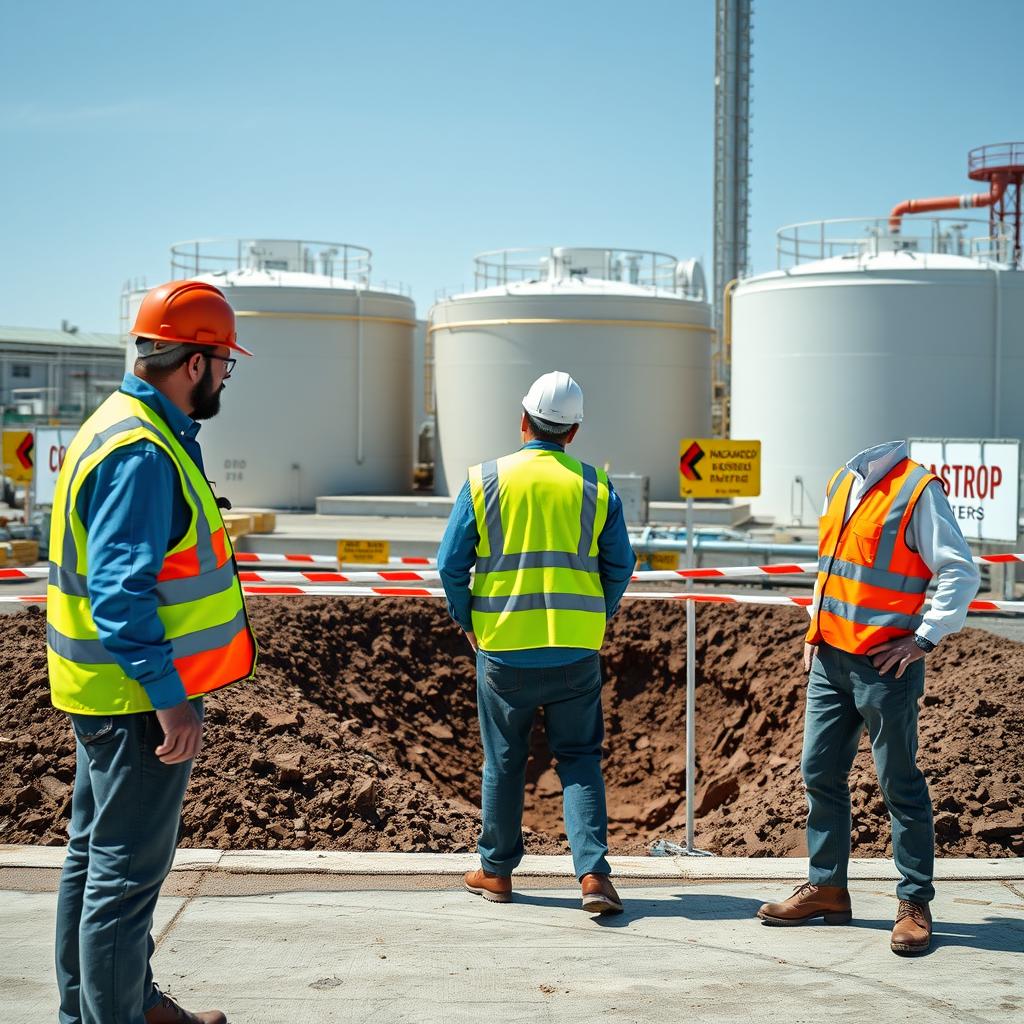
Most contractors buy a general liability (GL) policy, assume it covers their work, and move on. For an environmental contractor, that assumption is a time bomb. The standard GL form carries a pollution exclusion that removes coverage for the exact exposure your business creates — and when the claim hits, the denial is absolute.
Here's how the exclusion works, why it matters so much for environmental work, and what to do about it.
The pollution exclusion, in plain English
The ISO general liability form (the CG 00 01) includes a Pollution Exclusion — sometimes called the "absolute" pollution exclusion. In substance, it says the policy does not cover bodily injury, property damage, or cleanup costs arising, directly or indirectly, out of the discharge, dispersal, release, or escape of pollutants.
For a plumber or an electrician, that exclusion rarely matters. For an asbestos abatement crew, a mold remediation contractor, a soil and groundwater remediation firm, a tank-removal operation, or a hazmat handler, it's the whole risk profile. Your work is a pollution exposure.
A real-world denial
Picture a soil remediation contractor working a brownfield site. A change in groundwater flow spreads a contaminant plume off-site, and an adjacent property owner files a claim for cleanup and property damage.
- The contractor's GL carrier reviews the claim and denies it under the pollution exclusion.
- The contractor's commercial auto carrier denies it — no accident, and cargo/pollution excluded anyway.
- The contractor's property carrier denies it — contamination excluded on the property form too.
Without a standalone Contractors Pollution Liability (CPL) policy, that contractor is paying a six- or seven-figure cleanup out of pocket.
The "pollution endorsement" trap
Some brokers try to plug the gap with a limited pollution endorsement bolted onto the GL. These endorsements almost always disappoint at claim time. Common problems:
- They cover only a short, named list of pollutants — and exclude the ones you actually handle
- They exclude coverage for your work or completed operations
- They cap coverage at a low sublimit (often $50,000 or $100,000) when cleanup costs routinely run into the millions
- They apply only on your premises, not at jobsites
A standalone CPL policy is broad, covers your operations and completed work, and pays the real costs of a pollution claim.
Closing the gap: how GL and CPL work together
The right structure is a coordinated GL + CPL program:
- GL covers non-pollution third-party claims — a visitor slipping on your site, damage you cause to adjacent property, a completed-operations claim.
- CPL covers pollution claims — a contaminant release, a missed hotspot, a migrating plume.
Every type of claim your operations create has a responding policy, with no overlap and no gap. We bind both together, structure limits to match, and issue the additional-insured status and pollution extensions your refinery, GC, developer, and government clients require.
The other exclusions environmental contractors miss
While we're at it, standard GL and property forms routinely exclude or limit a few other things environmental contractors need to address:
- Professional liability — design, sampling, and consulting errors need a separate professional liability / E&O policy
- Mobile equipment off-premises — excavators, frac tanks, and HEPA vacs need inland marine coverage
- Hazmat hauling — vacuum trucks and tankers need commercial auto rated for the actual cargo
- Catastrophic losses — a major contamination claim can exhaust primary limits fast, so an umbrella/excess policy that sits over both GL and CPL is essential
How to know if you're actually covered
If you're not sure whether your current program covers a pollution condition, ask three questions:
- Do I have a standalone CPL policy (not just an endorsement on GL)?
- Does it cover my completed work, not just ongoing operations?
- Are my limits high enough to cover a realistic worst-case cleanup — and do they meet what my clients require?
If the answer to any of those is "no" or "I'm not sure," that's the time bomb ticking.
The bottom line
The pollution exclusion in standard GL is not a technicality — it's an absolute, deliberate removal of coverage for the work environmental contractors do. A standalone CPL policy is the only way to close that gap, and a coordinated GL + CPL + professional + auto + umbrella program is what actually protects your operation.
Want us to review your current policies and flag the gaps? Get a coverage review — we'll tell you straight what's missing and what it costs to fix.
Need this coverage for your crew?
Get a real quote in about 15 minutes — we shop A-rated environmental specialty markets.