Workers' Compensation for environmental contractors
Coverage for the injury and exposure patterns unique to environmental crews — asbestos, mold, and lead abatement class codes, hazmat handlers, chemical and biological exposure, heat and confined-space injury — with correct classification so you're not overpaying or underinsured.
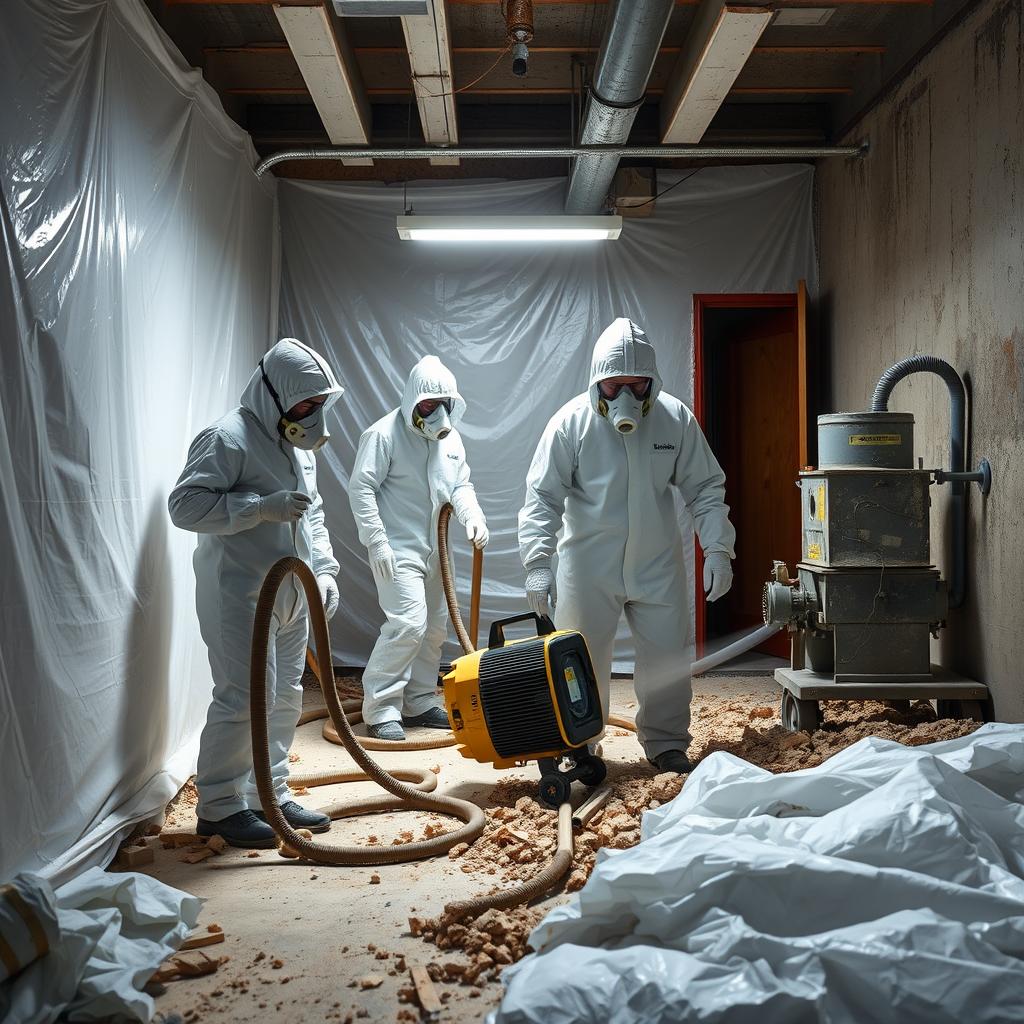
What it covers
- Medical treatment for on-the-job injuries and exposures
- Disability and lost-wage benefits for injured crew members
- Asbestos, mold, and lead exposure and disease claims
- Chemical, biological, and hazardous-material exposure
- Confined-space, heat, and struck-by injuries
- Employers' liability (Part Two) protection
Who it’s for
- Environmental contractors with W-2 employees
- Asbestos, mold, and lead abatement crews
- Hazmat handlers and site cleanup workers
- Any environmental contractor required by state law to carry workers' comp
Why CCA
- Correct abatement class codes — not generic construction codes
- Respirator and exposure-control documentation that supports better rates
- Aggressive claims management to protect your experience modifier
Common questions about workers' compensation
It depends on the work. Asbestos abatement is typically class 5473, lead abatement around 5474 or 5403 with a lead endorsement, mold remediation often 5403 or a specialty mold code, and hazmat handlers under codes like 6232 or 9015. We assign the correct codes for your operation so premium is fair and claims aren't denied.
Workers' comp is rated on payroll by class code. Abatement and hazmat codes carry higher rates than office work because of the exposure, disease, and confined-space risks, but good loss control, a documented respirator program, and a clean experience modifier meaningfully reduce cost. We quote based on your actual payroll and history.
It covers occupational disease arising from your work exposure, subject to the state's workers' comp law and the disease provisions of the policy. Latent disease claims (like asbestos-related conditions surfacing years later) can be complex; we help structure the coverage and the documentation so the claim is handled correctly.
It depends on your state and business structure. Many states exempt sole proprietors and single-member LLC owners, but you can elect coverage, and if you have any W-2 employees you must carry it. We'll tell you exactly what your state requires.
Confined-space entry and heat illness are serious environmental-contractor exposures. We respond within 2 hours, make sure the injured worker gets care fast, and manage the claim with the carrier to control cost and get the crew member back to work. Good handling protects both the worker and your modifier.
Workers' comp follows where the work is performed, and each state has its own rules and rates. Because we're licensed in all 50 states, we structure a program that covers your crews across state lines without gaps.
Generally no — true independent contractors carry their own. But many states apply a 'statutory employee' test, and misclassifying W-2 workers as 1099 can leave you liable. We help you classify workers correctly and document it.
At policy end, the carrier audits your actual payroll by class code and true-ups the premium. If your payroll was underreported you'll owe more; if overreported, you'll get a return. We help you classify payroll correctly up front to avoid audit shock.
Most environmental contractors pay $3,500–$12,000 a year for $1M/$2M general liability, plus a CPL policy from $2,500–$15,000+, with workers' comp rated on payroll by abatement class code. We quote the full program in about 15 minutes and show every market's price.
Yes. Contractors Choice Agency is licensed in all 50 states and writes remediation and abatement crews from the Gulf Coast and Texas to the Rust Belt, California, and the Northeast.
About 15 minutes for a standard program. Once bound, we turn around additional-insured certificates — including pollution extensions, waivers of subrogation, and primary/non-contributory endorsements — usually within minutes.
The ISO general liability form contains a builtin Pollution Exclusion that removes coverage for bodily injury, property damage, and cleanup arising from pollutants. The only way to cover the pollution exposure is a separate Contractors Pollution Liability (CPL) policy — which is why CPL is the core policy for environmental contractors.
Asbestos abatement is typically class 5473, lead abatement around 5474 or 5403 with lead endorsement, mold remediation often 5403 or a specialty mold code, and hazmat handlers under codes like 6232 or 9015. Correct classification keeps you from overpaying or facing an audit surprise — and ensures claims aren't denied for misclassification.
Mobile and specialty equipment is covered under an inland marine (mobile equipment) policy, not GL or property. We schedule excavators, frac tanks, HEPA vacuums, air monitors, and confined-space gear at replacement cost so jobsite, transit, and overturn damage are covered.
Most carry $1M/$2M GL with a matching $1M/$2M CPL policy and a $2M–$5M umbrella. Refineries, Superfund primes, and government clients often require $5M–$10M combined limits plus additional-insured status with pollution extension. We size limits to your actual contract requirements.
Yes — and it must be rated for hazardous-material hauling. A generic contractor auto policy may deny a claim involving a contaminated load. We rate vacuum trucks, tankers, roll-offs, and super-suckers for the real remediation hauling exposure.
Often, yes. We have excess-and-surplus (E&S) environmental markets for contractors with loss runs, releases, cancellations, or tough exposures that standard markets decline.
Your GL and CPL don't cover independent subs — they should carry their own environmental coverage and name you additional insured. We set up certificate tracking and additional-insured requirements so subcontracted work doesn't become your liability or your pollution exposure.
You reach a person with context, not a queue. We respond within 2 hours, help you document the pollution condition, coordinate cleanup and defense with the carrier, and manage the claim so it's paid correctly and your operation keeps moving.
Environmental work has pollution, hazmat, and professional exposures that generic carriers exclude or misprice. A specialty broker knows the abatement class codes, the markets that write CPL, how to coordinate GL with the pollution exclusion, and how to manage a pollution claim.
Pair it with related coverage
Ready to protect your remediation operation?
Get a 15-minute quote from specialists who understand environmental contractors — CPL, GL, workers' comp, professional, auto, and equipment.