Commercial Auto Insurance for environmental contractors
Coverage for the vacuum trucks, tanker trucks, roll-off haulers, and super-suckers that move your crew, contaminated soil, liquids, and equipment between remediation sites and disposal facilities — including hired/non-owned and loading liability.
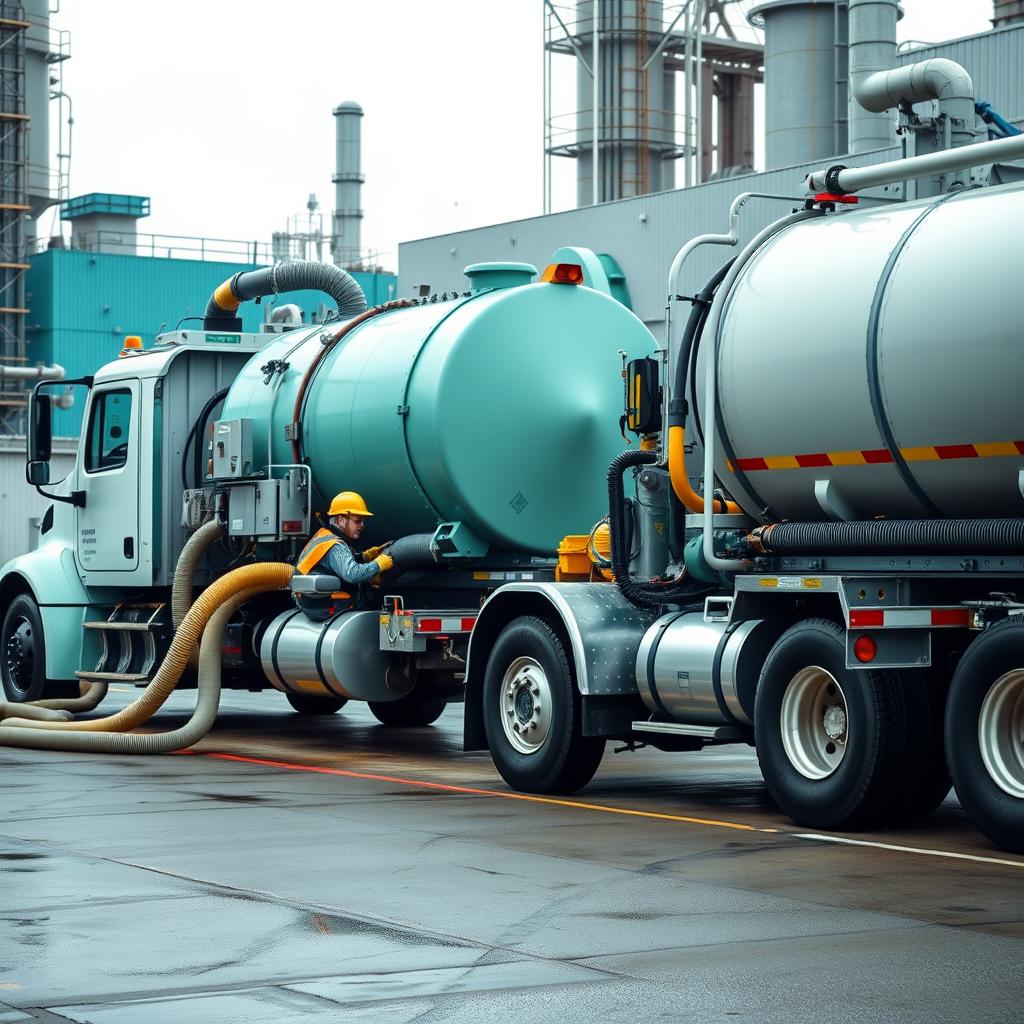
What it covers
- Liability for at-fault accidents in vacuum trucks, tankers, and roll-offs
- Physical damage (comprehensive & collision) to owned vehicles
- Hazardous-material hauling exposure rated correctly
- Hired and non-owned auto for employees driving their own trucks
- Uninsured and underinsured motorist coverage
- Loading and unloading liability
Who it’s for
- Environmental contractors with vacuum trucks or tankers
- Crews hauling contaminated soil, liquids, and waste
- Operations whose employees drive personal trucks for work
- Any contractor whose generic auto policy would deny a hazmat claim
Why CCA
- Hazmat hauling rated correctly — not a generic pickup policy
- Vacuum truck, tanker, and roll-off exposure factored in
- Fleet and single-vehicle programs available
Common questions about commercial auto insurance
Standard contractor auto policies are rated for pickups and service trucks, not vacuum trucks, tankers, and roll-offs hauling contaminated loads. A hazmat-related claim can be denied if the policy isn't rated for the real vehicle use and cargo. We rate your trucks for the actual remediation hauling exposure.
Liability for an at-fault crash is covered, but the cargo (contaminated soil, liquids, waste) generally is not — that's a motor truck cargo and pollution matter. We pair the auto policy with a cargo/pollution extension or CPL transportation coverage so a transit release is fully covered.
Hired auto covers rental vehicles; non-owned auto covers employees driving their own personal vehicles for your business. If any crew member runs samples, parts, or equipment in their own truck, you want non-owned coverage — it protects your business when their personal policy falls short.
Yes. Hauling hazardous waste is a specialty exposure that requires hazmat-rated auto coverage and often a separate pollution/cargo policy for the load itself. Depending on the material and the route you may also need EPA/dot-compliant filings. We structure the full chain so a transit release is covered.
Premium is based on the vehicles (type, value, use — vacuum truck vs. tanker vs. roll-off), drivers (records and experience), cargo (including hazmat), and radius of operation. Clean driving records, accurate vehicle scheduling, and correct use classification keep the cost down.
Commercial auto covers at-fault liability and physical damage for company vehicles, and we coordinate with the cargo/pollution coverage for the load. We respond fast, coordinate the claim, and get the truck repaired or replaced so the crew keeps moving.
Both. Whether you run a single vacuum truck or a fleet of tankers, roll-offs, and super-suckers, we structure a commercial auto program that covers every vehicle, driver, and load.
Many policies include some loading/unloading liability, but the contaminated cargo itself is a pollution/cargo matter. We make sure the liability gap is closed and pair the auto policy with cargo and pollution coverage for the full disposal chain.
Most environmental contractors pay $3,500–$12,000 a year for $1M/$2M general liability, plus a CPL policy from $2,500–$15,000+, with workers' comp rated on payroll by abatement class code. We quote the full program in about 15 minutes and show every market's price.
Yes. Contractors Choice Agency is licensed in all 50 states and writes remediation and abatement crews from the Gulf Coast and Texas to the Rust Belt, California, and the Northeast.
About 15 minutes for a standard program. Once bound, we turn around additional-insured certificates — including pollution extensions, waivers of subrogation, and primary/non-contributory endorsements — usually within minutes.
The ISO general liability form contains a builtin Pollution Exclusion that removes coverage for bodily injury, property damage, and cleanup arising from pollutants. The only way to cover the pollution exposure is a separate Contractors Pollution Liability (CPL) policy — which is why CPL is the core policy for environmental contractors.
Asbestos abatement is typically class 5473, lead abatement around 5474 or 5403 with lead endorsement, mold remediation often 5403 or a specialty mold code, and hazmat handlers under codes like 6232 or 9015. Correct classification keeps you from overpaying or facing an audit surprise — and ensures claims aren't denied for misclassification.
Mobile and specialty equipment is covered under an inland marine (mobile equipment) policy, not GL or property. We schedule excavators, frac tanks, HEPA vacuums, air monitors, and confined-space gear at replacement cost so jobsite, transit, and overturn damage are covered.
Most carry $1M/$2M GL with a matching $1M/$2M CPL policy and a $2M–$5M umbrella. Refineries, Superfund primes, and government clients often require $5M–$10M combined limits plus additional-insured status with pollution extension. We size limits to your actual contract requirements.
Yes — and it must be rated for hazardous-material hauling. A generic contractor auto policy may deny a claim involving a contaminated load. We rate vacuum trucks, tankers, roll-offs, and super-suckers for the real remediation hauling exposure.
Often, yes. We have excess-and-surplus (E&S) environmental markets for contractors with loss runs, releases, cancellations, or tough exposures that standard markets decline.
Your GL and CPL don't cover independent subs — they should carry their own environmental coverage and name you additional insured. We set up certificate tracking and additional-insured requirements so subcontracted work doesn't become your liability or your pollution exposure.
You reach a person with context, not a queue. We respond within 2 hours, help you document the pollution condition, coordinate cleanup and defense with the carrier, and manage the claim so it's paid correctly and your operation keeps moving.
Environmental work has pollution, hazmat, and professional exposures that generic carriers exclude or misprice. A specialty broker knows the abatement class codes, the markets that write CPL, how to coordinate GL with the pollution exclusion, and how to manage a pollution claim.
Pair it with related coverage
Ready to protect your remediation operation?
Get a 15-minute quote from specialists who understand environmental contractors — CPL, GL, workers' comp, professional, auto, and equipment.