Environmental Contractor Insurance Cost (2026)
By Josh Cotner
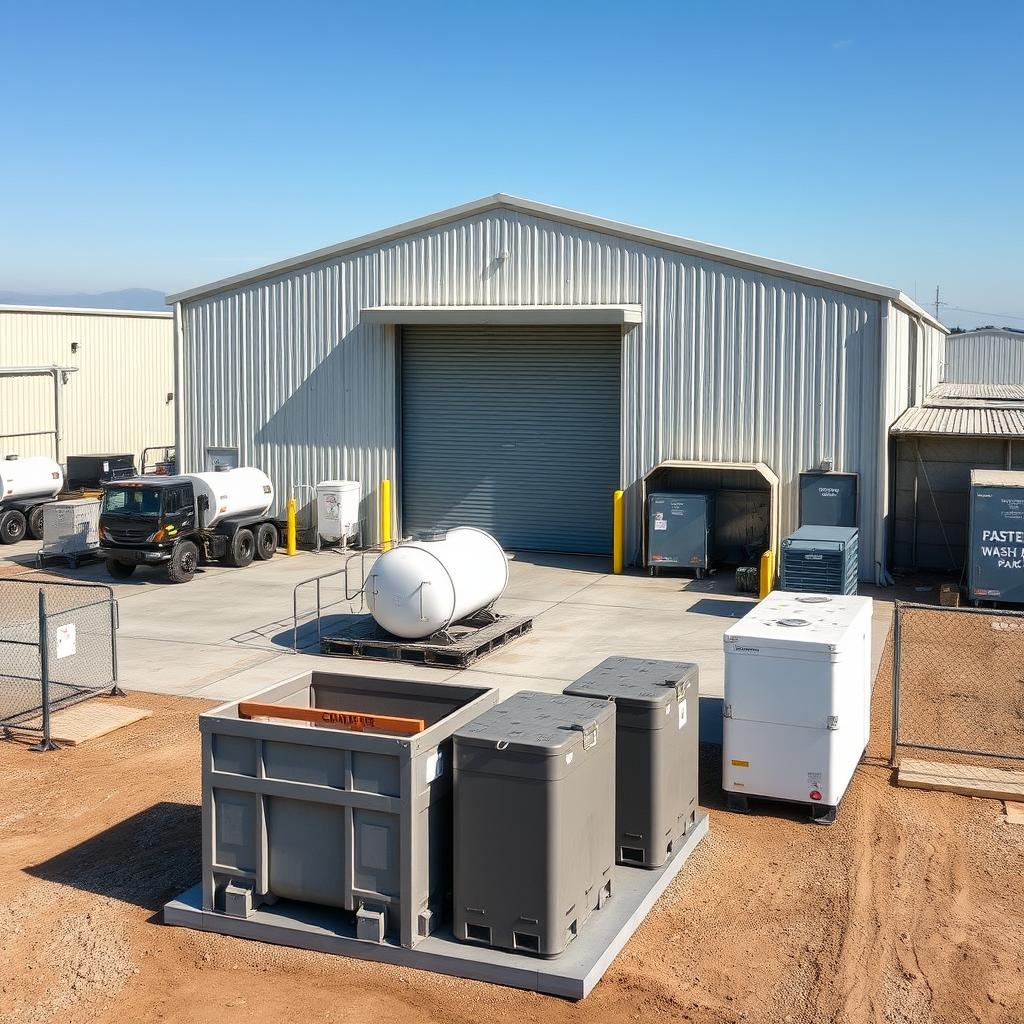
Environmental contractor insurance is a specialized, pollution-exposure program — and it's priced accordingly. Most owners want to know one thing first: what does it cost? Here's a realistic, no-spin look at what environmental remediation and abatement contractors pay in 2026, what drives the premium, and how to keep the price fair without buying the wrong coverage.
The short answer
A typical environmental remediation contractor carrying a full program pays roughly:
- $3,500 – $12,000 / year for a $1M/$2M general liability policy
- $2,500 – $15,000+ / year for a Contractors Pollution Liability (CPL) policy
- $2,000 – $8,000+ / year for professional liability / E&O (if you design or sample)
- Workers' comp rated on payroll by abatement class code (varies widely)
- Commercial auto rated on vehicles, drivers, and hazmat hauling
- Mobile equipment on scheduled value
- $1,500 – $6,000 / year for a $2M–$5M umbrella/excess policy
A complete, coordinated program for a mid-size environmental contractor commonly lands in the $15,000 – $40,000 / year range. Small abatement crews can come in lower; large soil and groundwater or Superfund contractors run higher.
What drives the cost
The type of work you do
This is the single biggest factor. A mold remediation contractor working water-damaged buildings faces a different risk profile than a contractor cleaning up a chlorinated-solvent groundwater plume at a Superfund site. Carriers price accordingly — abatement of asbestos, mold, and lead; soil and groundwater remediation; underground storage tank removal; and hazardous waste site cleanup all carry different rates.
Your limits and deductible
Higher limits cost more. A $1M/$2M CPL program is one price; a $5M or $10M program — often required by refineries, Superfund primes, and federal agencies — is meaningfully higher. Higher deductibles lower premium but raise your retained risk.
Your revenue and payroll
GL and CPL are typically rated on contract revenue or project cost; workers' comp is rated on payroll by class code. Accurate, well-documented numbers keep you from being rated on a worst-case guess.
Your class codes
Asbestos abatement, lead abatement, mold remediation, and hazmat handling each have their own workers' comp class codes (commonly 5473, 5474, 5403, or 6232/9015, depending on the operation and state). Correct classification keeps your premium fair and prevents audit surprises — and ensures claims aren't denied for misclassification.
Your loss history
Carriers look at your 5-year loss runs. A clean record meaningfully improves both price and market access. If you've had a pollution claim, a release, or a cancellation, the standard market may decline — but excess-and-surplus (E&S) environmental markets can still write you, often at a higher price.
The region you work
Gulf Coast petrochemical work, Rust Belt brownfields, California's strict regulatory environment, and Northeast industrial legacy sites all carry different underwriting appetites and pricing. We shop the markets that write your region.
How to keep the cost fair (without buying the wrong coverage)
1. Describe your operation accurately
The fastest way to overpay — or to have a claim denied — is a vague or wrong description of your operations. We document exactly what you do, where, and for whom so you're rated on real exposure.
2. Don't skip CPL to save money
The temptation is to drop CPL because it's the most expensive single line. That's false economy: the pollution exclusion in your GL means the claim you're most likely to face will be denied without CPL. The cleanup on a single incident can exceed a year's premium many times over.
3. Document your safety and exposure-control programs
A documented respirator program, confined-space entry procedures, spill-response plan, and air-monitoring protocols all support better terms — on workers' comp especially. Good loss control is the best premium reduction there is.
4. Buy the limits your contracts actually require
If your refinery or government client requires $5M in pollution limits, that's not negotiable — but you don't need to over-buy beyond what your work and contracts demand. We size limits to your real requirements.
5. Bundle the program with one broker
Placing GL, CPL, professional, workers' comp, auto, equipment, and umbrella with one coordinated broker avoids gaps and overlaps — and often unlocks package pricing a fragmented program can't get.
What about the cheap quotes?
If you get a quote dramatically lower than the ranges above, read the fine print. It usually means one of three things: a limited pollution endorsement instead of real CPL, a class code misclassification that will explode at audit, or sublimits and exclusions that won't pay on the claim you're actually worried about. Cheap environmental insurance is almost always expensive in the end.
Get a real quote in 15 minutes
We quote the full program — GL, CPL, professional, workers' comp, auto, equipment, and umbrella — in about 15 minutes and show you every market's price side by side. Get a quote and we'll tell you exactly what your operation should cost to insure in 2026.
Need this coverage for your crew?
Get a real quote in about 15 minutes — we shop A-rated environmental specialty markets.