What Is Contractors Pollution Liability (CPL) Insurance?
By Josh Cotner
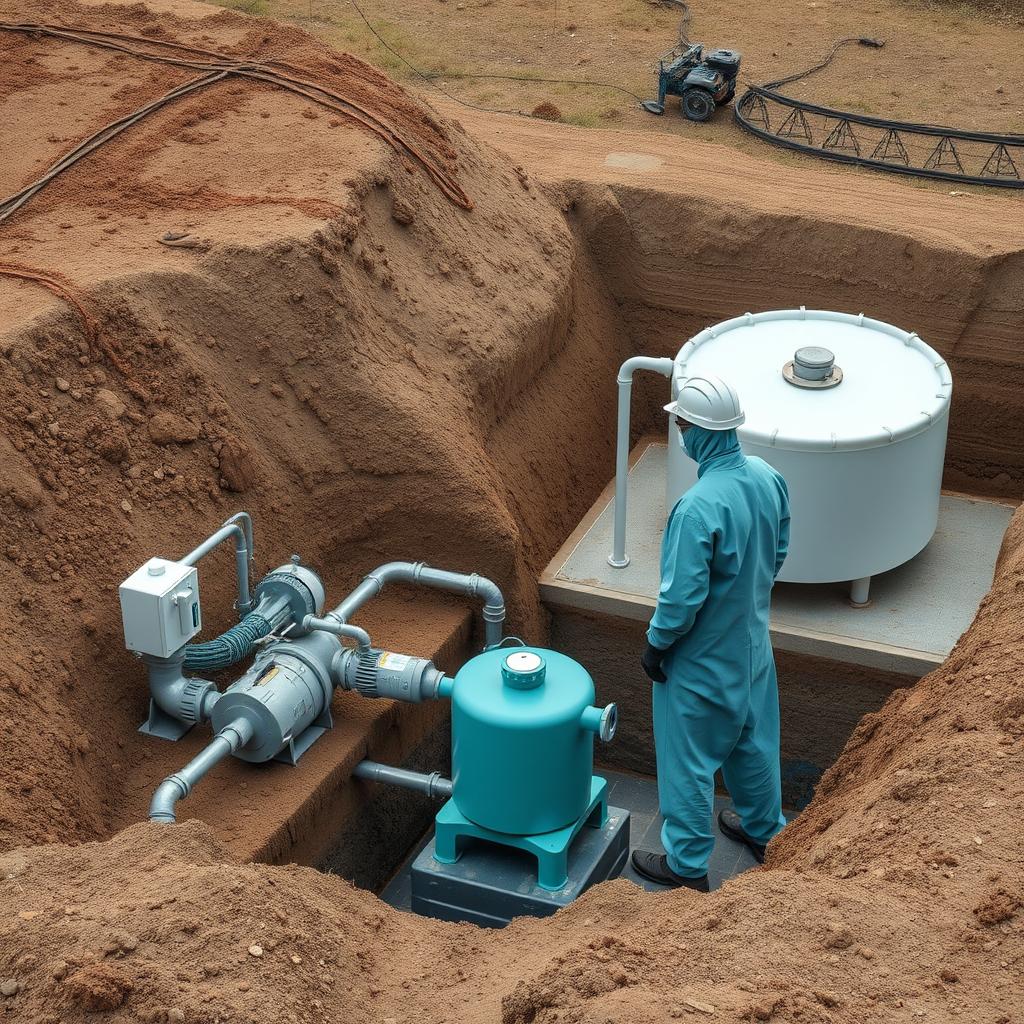
If you run an environmental remediation, abatement, or hazmat contracting business, Contractors Pollution Liability (CPL) is the single most important insurance policy you carry. It's the coverage your standard general liability (GL) policy deliberately leaves out — and the one that pays when the work you do every day causes a pollution condition.
Here's what CPL is, what it covers, why you need it, and how to buy it the right way.
The pollution exclusion: why GL is not enough
Every standard ISO general liability policy — the CG 00 01 form most contractors buy — contains a built-in Pollution Exclusion. That exclusion removes coverage for bodily injury, property damage, and cleanup costs arising from pollutants.
For a typical trade contractor, that exclusion rarely matters. For an environmental contractor, it's the entire ballgame. Asbestos abatement, mold remediation, lead paint removal, soil and groundwater remediation, underground storage tank removal, and hazardous waste site cleanup are, by definition, pollution-exposure work. If a claim arises from that work — a fiber release, a contaminant spread, a missed hotspot — your GL policy will deny it under the pollution exclusion.
The only way to close that gap is a separate Contractors Pollution Liability (CPL) policy.
What CPL actually covers
A properly written CPL policy covers:
- Third-party bodily injury caused by a pollution condition arising from your operations
- Property damage from contamination you disturb, transport, or spread
- On-site and off-site cleanup costs — often the largest part of a pollution claim
- Defense costs and legal fees, usually in addition to the policy limits
- Ongoing operations AND completed work — critical, because pollution conditions often surface years after a project closes
- Optional extensions for transportation and disposal of contaminated materials
Claims-made vs. occurrence: know which you're buying
CPL is sold in two forms:
- Claims-made covers claims reported during the policy period (with a retroactive date). When you move markets or cancel, you need an extended reporting (tail) endorsement to keep legacy claims covered.
- Occurrence covers any claim arising from an event during the policy period, regardless of when it's reported. It's simpler but can be harder to find and pricier for environmental work.
We help you pick the right form and, on claims-made policies, secure the tail coverage that keeps your completed work insured.
Don't be fooled by a "pollution endorsement"
Here's the trap many environmental contractors fall into: a budget broker adds a cheap pollution endorsement to a GL policy and tells you it's "basically the same thing" as CPL. It almost never is. Most endorsements:
- Cover only a narrow, named list of pollutants
- Exclude the work you actually perform
- Cap coverage at low sublimits
- Apply only on your premises, not at jobsites
When a real pollution claim happens — a migrating groundwater plume, an asbestos release, a contaminated load in transit — those endorsements routinely deny coverage. A standalone CPL policy is broad, covers your operations and completed work, and pays the real cleanup and defense costs.
What limits should you carry?
Most environmental contractors carry $1M per occurrence / $2M aggregate to match their GL. But your real driver is what your clients require. Refineries, Superfund prime contractors, and federal/state agencies routinely demand $5M or $10M in combined pollution limits before they'll let you mobilize. We add an umbrella/excess policy or a higher-layer CPL to reach those limits.
Cleanup costs alone can run into the millions on a single incident, so we model your realistic worst-case scenario — not just what's cheapest.
How CPL premium is calculated
CPL is typically rated on contract revenue or project cost, with factors for:
- The type of work (abatement vs. soil/groundwater vs. tank removal)
- Limits and deductible
- Region and regulatory environment
- Your claims and loss history
Higher-hazard work and higher limits cost more. The good news: because CPL is rated on your actual operations, an accurate description of your work — not a worst-case guess — usually produces a fairer price.
Pair CPL with the rest of the program
CPL is the core, but it's not the whole program. A complete environmental contractor insurance bundle pairs CPL with:
- General liability — written to coordinate with CPL so non-pollution claims are covered too
- Professional liability / E&O — for design, sampling, and consulting errors CPL won't cover
- Workers' comp — with correct asbestos, mold, and lead abatement class codes
- Commercial auto — rated for vacuum trucks, tankers, and hazmat hauling
- Mobile equipment — for excavators, frac tanks, HEPA vacs, and monitors
- Umbrella/excess — for catastrophic contamination losses
The bottom line
If you do environmental work, a generic contractor insurance program will deny your most important claim. The pollution exclusion in standard GL is absolute, and a cheap endorsement won't save you. A standalone Contractors Pollution Liability policy is the core policy your operation actually requires.
Want a real CPL quote in about 15 minutes? Get a quote — we shop A-rated environmental specialty markets and show you every option side by side.
Need this coverage for your crew?
Get a real quote in about 15 minutes — we shop A-rated environmental specialty markets.